


Blogs
Arkansas Farm Policy: What It Means for the Community

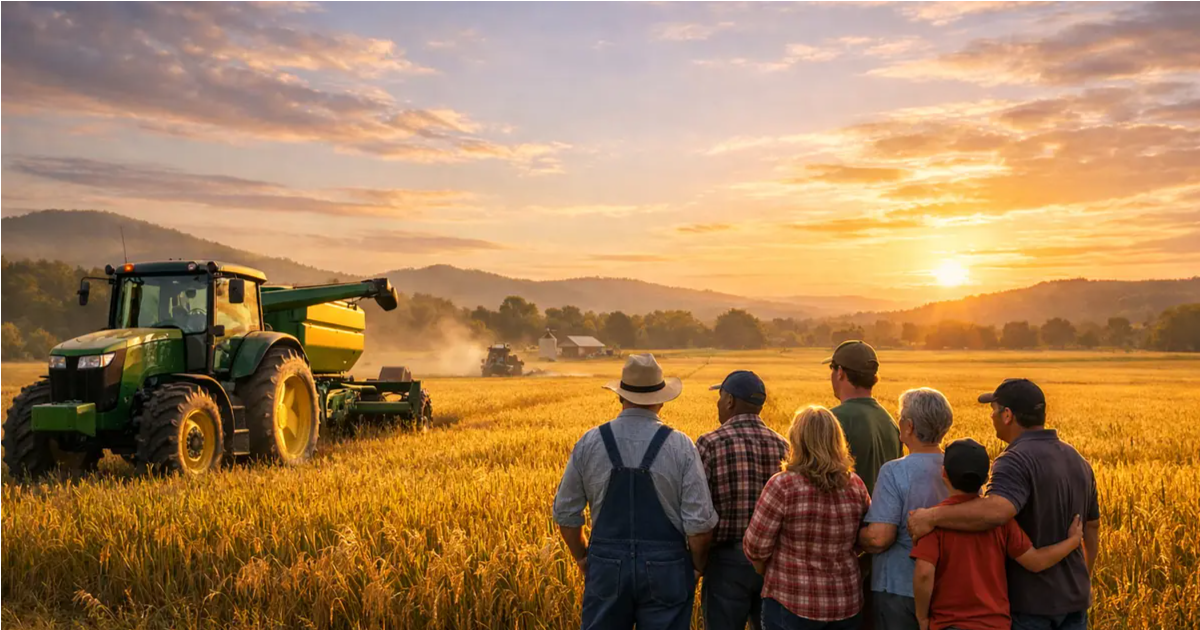
If you live in Arkansas, farm policy is not some distant topic for “other people.” It touches your grocery bill, your local jobs, your schools, and the strength of your small towns. Even if you have never set foot on a combine, you feel it when markets swing, when input costs rise, or when a rural hospital struggles to stay open.
That is why Arkansas farm policy matters. It is the set of decisions, rules, and priorities that shape whether Arkansas farmers can plan ahead, stay profitable, and keep the rural economy moving.
Why Arkansas Farm Policy Hits Home
Arkansas agriculture is a major engine of the state economy. The state produces and exports big commodities like rice, soybeans, cotton, and poultry. When agriculture is stable, your local businesses stay busy, and more families can stay rooted where they are.
But agriculture is not stable by default. It depends on predictable markets, fair rules, and the ability to manage risk. Good Arkansas farm policy aims to protect that stability so farmers are not forced into impossible decisions when prices drop or costs spike.
The Three Levers That Shape Farm Outcomes
When you hear people talk about policy, it can sound like a thousand issues at once. In practice, Arkansas farm policy is often shaped by a few big levers that show up again and again.
First, there is risk management. Crop insurance and related tools are central to how farms protect themselves from weather, yield loss, and price shocks. The federal Farm Bill includes crop insurance and commodity programs that help manage these risks.
Second, there is market access. Farmers do not just need production. They need buyers. When trade relationships get disrupted, it can hit exports and prices fast. USDA research has documented large export losses tied to retaliatory tariffs during trade conflicts.
Third, there is state-level advocacy and coordination. In Arkansas, groups like the Arkansas Farm Bureau emphasize a grassroots approach where members propose policies that can be adopted and carried forward. That matters because it keeps policy tied to the realities farmers face on the ground.
What You Should Watch Right Now
If you want to understand Arkansas farm policy without getting lost, watch for a few practical signals.
Pay attention to how leaders talk about markets versus short-term fixes. Emergency aid can help in a crisis, but it does not replace long-term market stability. You want a policy that protects relationships with buyers and keeps Arkansas products competitive.
Also, watch how policy handles the cost side of farming. Input costs, interest rates, and the ability to finance a season can decide whether a farm survives a down year. When policy ignores that pressure, closures increase, and the local economy feels it.
Finally, watch whether the policy protects the next generation. If young people cannot see a stable future in agriculture, they lose more than farms. You lose the backbone of rural communities.
Where Steve O’Donnell Fits Into This Conversation
On the campaign site, Steve O’Donnell Biography frames his approach around markets, accountability, and putting people first. He also argues that unchecked tariffs can disrupt trade and harm farmers by pushing markets toward other suppliers. That is a policy lens you should weigh carefully because trade decisions can ripple through agriculture quickly.
Whether you are a producer, work in a farm-connected business, or simply care about the strength of rural Arkansas, you benefit from leadership that treats Arkansas farm policy as a real-life issue, not a talking point.
Integrity. Accountability. Transparency. That is the standard voters should demand when decisions affect livelihoods.
Stay Informed and Get Involved
If you care about stable markets and real Arkansas farm policy that protects rural jobs and farm families, take a few minutes to read the campaign agenda and follow the policy conversation closely. Visit Steve O’Donnell for Congress to learn where he stands on Arkansas farm policy, and get involved by volunteering, attending events, or supporting the campaign.