


Blogs
Local Environmental Issues in Arkansas : Steve O’Donnell to the Rescue

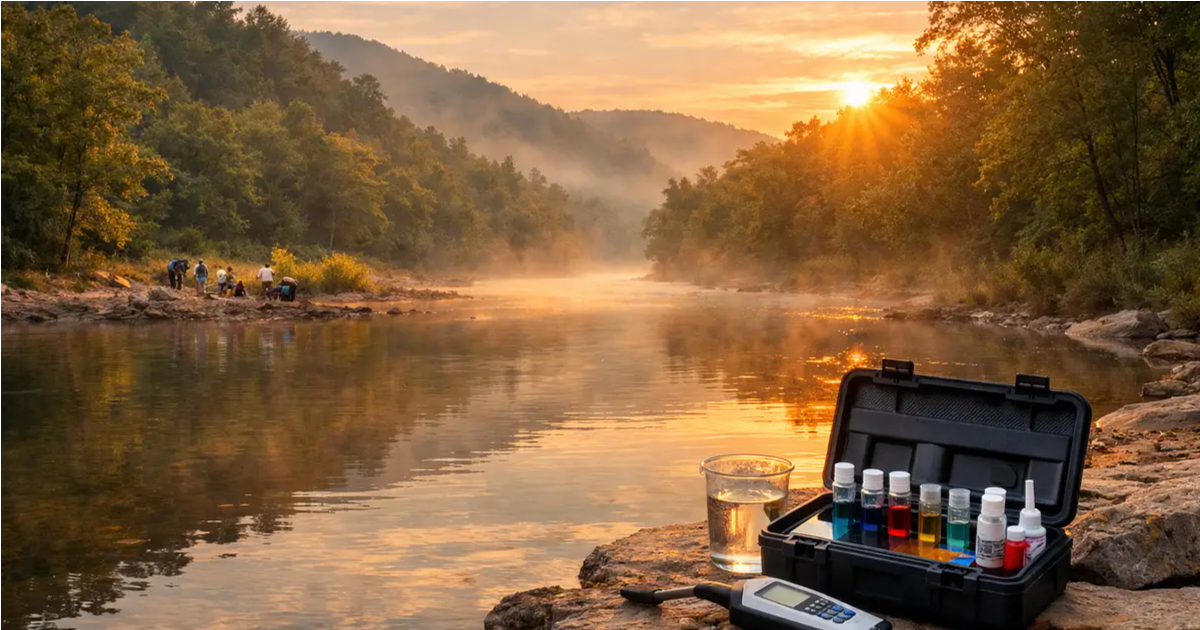
Arkansas is a beautiful place to call home. You have rivers, forests, farmland, and small towns where people still look out for each other. But you also know something else is true. When the water is not clean, when storms hit harder, or when air quality slips, it shows up in your everyday life fast.
That is why understanding local environmental issues matters. You are not reading this to win an argument. You are reading it because you want your family to be safe, your community to stay strong, and your future to feel steady.
Why Local Environmental Issues Feel Personal in Arkansas
Environmental problems are easy to ignore until they land right on your street. A boil notice. A flooded road. A smoky day where your kid’s cough gets worse. These are not abstract concerns. They affect your health, your property, and your peace of mind.
Arkansas has agencies that work to protect air, land, and water. The Arkansas Division of Environmental Quality describes its mission as protecting these resources and improving environmental quality through regulation, education, and monitoring. When those systems work well, you get clearer information and stronger protections. When they fall behind, you feel it.
Water Quality: What You Drink and What You Fish
If there is one issue that touches everyone, it is water. Arkansas DEQ monitors surface water and groundwater and develops water quality standards across the state’s ecoregions. That matters because Arkansas is full of waterways you depend on, whether you fish for food, spend weekends on the lake, or simply want clean water from your tap.
One modern water concern you may hear more about is PFAS, sometimes called “forever chemicals.” Arkansas public health updates have referenced ongoing PFAS monitoring connected to EPA’s Unregulated Contaminant Monitoring Rule efforts, along with evolving federal rulemaking timelines. You do not need to memorize acronyms. You just need to know that monitoring and standards are moving targets, and clean communication matters.
This is one of those local environmental issues where you deserve straight answers. What is being tested, what is being found, and what is being done next.
Flooding and Storms: The Risk You Cannot Ignore
Arkansas is no stranger to severe weather, and flooding can be devastating for families and farms. NOAA’s state summary for billion-dollar disasters shows Arkansas has been affected by many high-cost events over the decades, with severe storms, droughts, and flooding among them.
Flooding is not just a big-river story either. The National Weather Service notes that heavy rainfall can drive major impacts, including agricultural losses and disruptions to families and livestock. And federal wildlife officials have warned that increased heavy rain events and severe flooding are a major climate-related concern for Arkansas.
When storms hit, you do not want politics. You want preparation, clear infrastructure priorities, and honest follow-through. Those basics protect lives and property. Also Read about Arkansas Farmers Struggling.
Air Quality and Everyday Health
Air quality issues are often quieter than floods, but they still affect you. Arkansas’s environmental agencies include an Office of Air Quality focused on protecting health while supporting responsible economic development.
This connects directly to how you feel day to day. Air quality can influence respiratory health, outdoor work safety, and how comfortable your community is during hotter months. It is another area where you benefit from transparency, clear standards, and practical enforcement.
What You Can Do, and What You Should Expect From Leaders
You do not need to be an expert to protect your family. You can follow your local water system updates, take flood warnings seriously, and pay attention to public notices from state agencies. You can also ask better questions. What is being monitored? What is being improved? What is the timeline?
Most importantly, you should expect leadership that treats local environmental issues like real life, not a talking point. That means integrity, accountability, and transparency in how decisions are made and communicated.
Stay Informed and Get Involved
If you want serious attention on local environmental issues in Arkansas, start by staying informed and staying involved. Read the agenda, follow the public updates, and support leaders who commit to clear communication and practical solutions. Visit Steve O’Donnell for Congress to learn more and take part in the campaign through volunteering, donating, or attending events.